Civil War
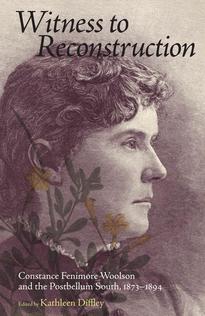
Witness to Reconstruction
In the wake of the Civil War, Constance Fenimore Woolson became one of the first northern observers to linger in the defeated states from Virginia to Florida. Born in New Hampshire in 1840 and raised ...
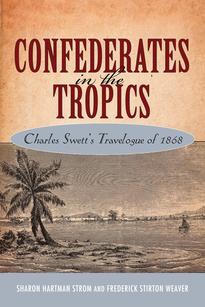
Confederates in the Tropics
Charles Swett (1828–1910) was a prosperous Vicksburg merchant and small plantation owner who was reluctantly drawn into secession but then rallied behind the Confederate cause, serving with distinction i ...
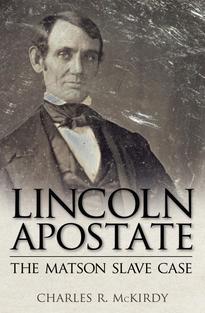
Lincoln Apostate
In 1847, in a small rural courthouse in Coles County, Illinois, Abraham Lincoln represented a Kentucky slave owner named Robert Matson in his attempt to recover a runaway slave woman and her four children. ...
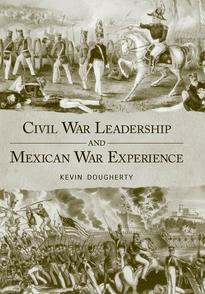
Civil War Leadership and Mexican War Experience
A great many commanders in the American Civil War (1861–1865) served in the Mexican War (1846–1848). Civil War Leadership and Mexican War Experience explores the influence of the earlier war on those men ...
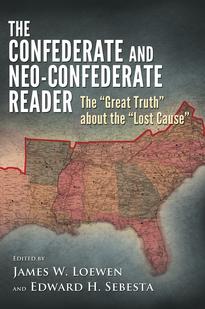
The Confederate and Neo-Confederate Reader
Most Americans hold basic misconceptions about the Confederacy, the Civil War, and the actions of subsequent neo-Confederates. For example, two thirds of Americans—including most history teachers—think t ...
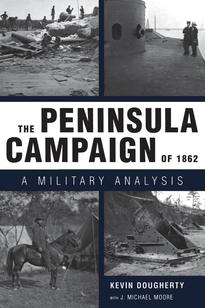
The Peninsula Campaign of 1862
The largest offensive of the Civil War, involving army, navy, and marine forces, the Peninsula Campaign has inspired many history books. No previous work, however, analyzes Union general George B. McClellan's ...
Legend of the Free State of Jones
A maverick, unionist district in the heart of the Old South? A notorious county that seceded from the Confederacy? This is how Jones County, Mississippi, is known in myth and legend.
Since 1864 the legend ...
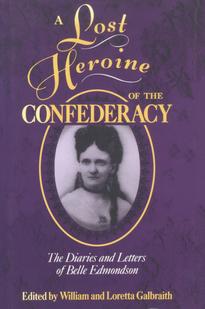
A Lost Heroine of the Confederacy
In an era that glorified southern womanhood, especially the women who contributed significantly to the Confederate cause, this fascinating book, until now, somehow has been largely forgotten.
These are ...
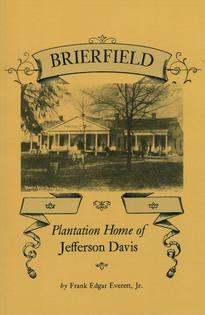
Brierfield
This is the story of a house, “Brierfield,” and incidentally of a man, Jefferson Davis, and his family. The author traces the story of “Brierfield” from its construction in the antebellum period to its final d ...
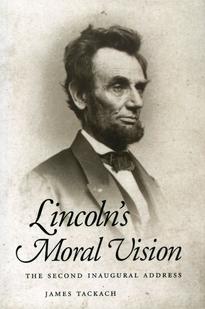
Lincoln's Moral Vision
On March 4, 1865, Abraham Lincoln gave his Second Inaugural Address, the final great speech of his three- decades public career. Delivered a little more than a month before the end of the Civil War and ...