Race and Ethnicity

C. L. R. James on the Negro Question
Best known for The Black Jacobins (1938), C. L. R. James was a pan-African historian and thinker who, upon arriving in the United States for a lecture tour in 1938, was warmly received by audiences, Black ...
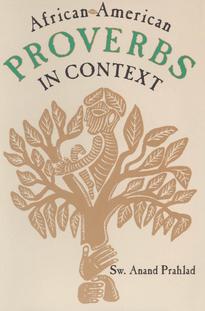
African-American Proverbs in Context
From slave times to the present the proverb has been a mainstay in African-American communication. Such sayings as “Hard times make a monkey eat red pepper when he don't care for black,” “The blacker the b ...

Dangerous Freedom
Winner of the 1996 Eudora Welty Prize
The novels of Toni Morrison depict a disjointed culture striving to coalesce in a racialized society. No other contemporary writer conveys this “double consciousness” o ...
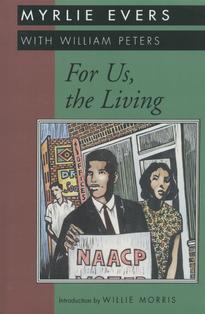
For Us, the Living
In 1967, when this brave book was first published, Myrlie Evers said, “Somewhere in Mississippi lives the man who murdered my husband. ”
Medgar Evers died in a horrifying act of political violence. Among ...
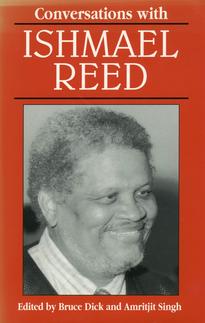
Conversations with Ishmael Reed
As a fiercely independent thinker, Ishmael Reed, author of Mumbo Jumbo, Flight to Canada, Reckless Eyeballing, and other works of fiction, nonfiction, and poetry, is often in conflict with the culture ...
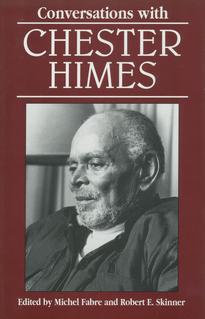
Conversations with Chester Himes
The late African American novelist Chester Himes (1909-1984) is well known both in America and Europe for his moving depictions of black men destroyed by a pervasive racism and for darkly humorous stories ...
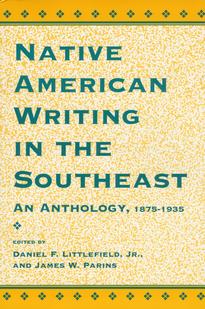
Native American Writing in the Southeast
Featured in this anthology of Native American literature are works by twenty-eight writers from five tribes or nations including Cherokee, Chickasaw, Choctaw, Muscogee (Creek), and Yuchi. Ranging widely ...
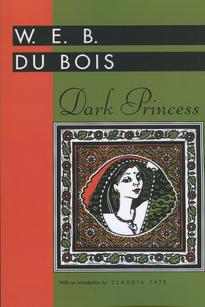
Dark Princess
The problem of “the color line,” W. E. B. Du Bois’s ever-present polemical theme, is at the core of this novel of sensual love, radical politics, and the quest for racial justice. Originally published by Ha ...
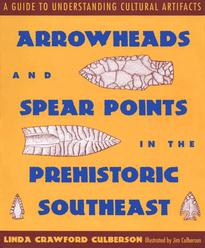
Arrowheads and Spear Points in the Prehistoric Southeast
The Native American tribes of what is now the southeastern United States left intriguing relics of their ancient cultural life. Arrowheads, spear points, stone tools, and other artifacts are found in ...