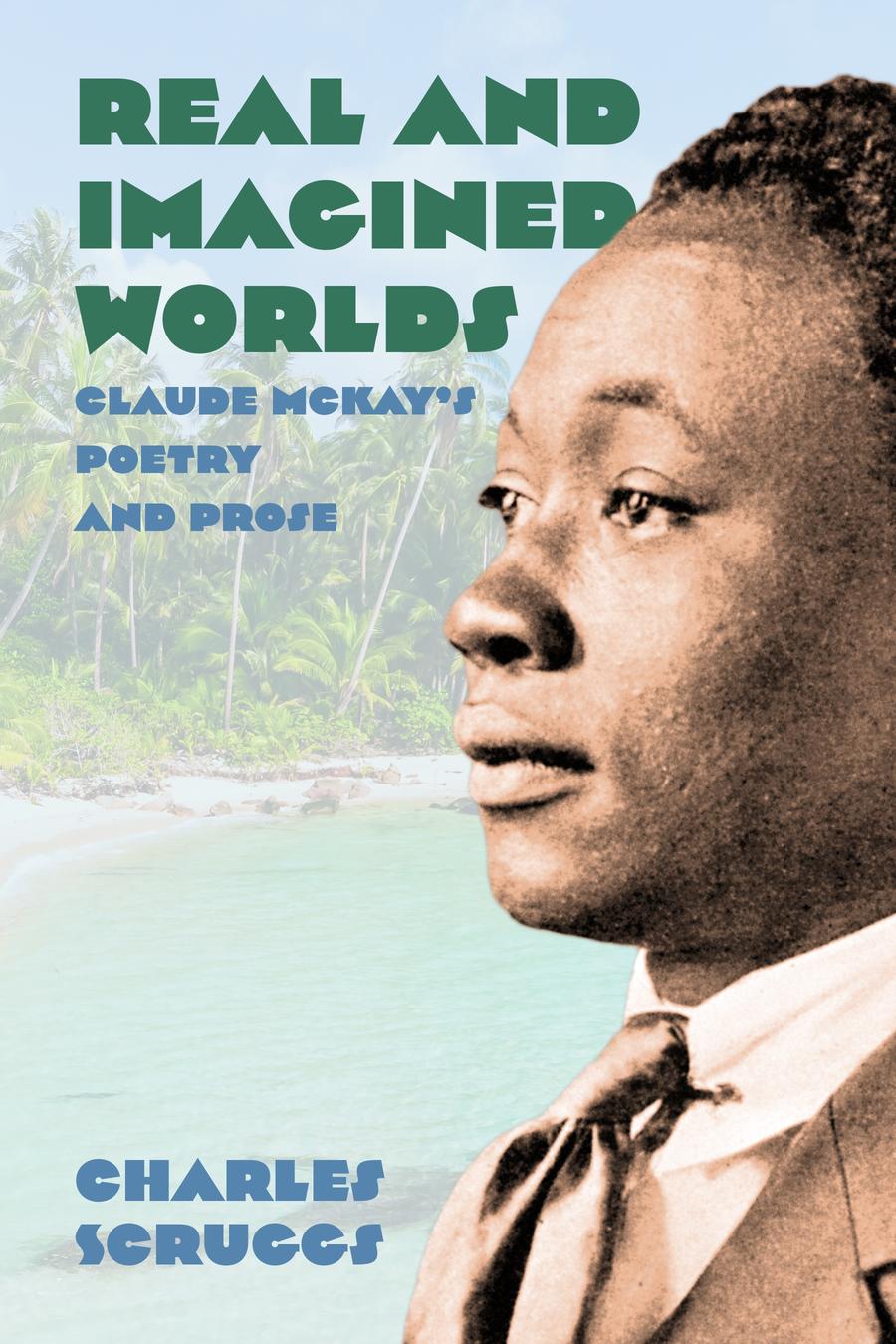
Real and Imagined Worlds
Claude McKay’s Poetry and Prose
An exploration of the various literary and artistic influences of a central figure in the Harlem Renaissance
Description
Claude McKay (1890–1948) was a versatile Jamaican American writer and poet and a central figure in the Harlem Renaissance. In addition to two autobiographies and a documentary study of Harlem, McKay wrote poetry, novels (Home to Harlem, Banana Bottom, Banjo, Harlem Glory, Amiable with Big Teeth—the latter portraying a dystopia that foreshadows Orwell), the short story collection Gingertown, and a screenplay disguised as a novel, Romance in Marseille.
McKay was deeply influenced by various literary and artistic sources that shaped his poetry and prose. As an artist, he saw himself as a “classicist,” but his favorite poet was John Keats, the acclaimed Romantic. The books he read in the library of his mentor Walter Jekyll were primarily Victorian and had a profound influence on him. However, the artists he encountered after he left Jamaica were mostly all modernists: Charlie Chaplin, D. H. Lawrence, James Joyce, Marcel Proust, and Ernest Hemingway. Popular culture also inspired him, especially the cinematic traditions of both Hollywood and Europe. These dual influences reflected his complicated intellectual and artistic life. Real and Imagined Worlds: Claude McKay’s Poetry and Prose attempts to make sense of the poet’s deep engagement with the literary and artistic influences that inspired his own writing.