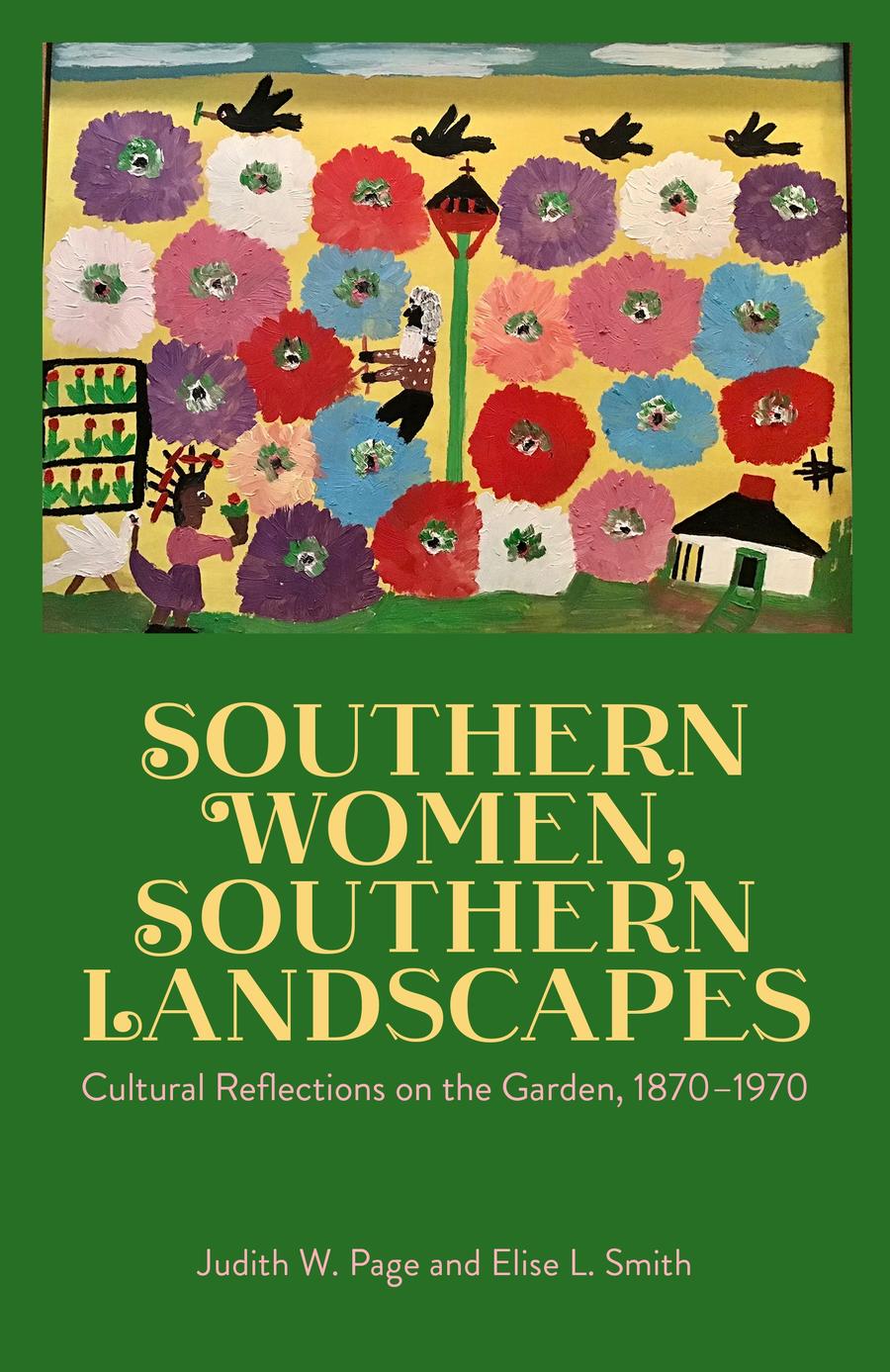
Southern Women, Southern Landscapes
Cultural Reflections on the Garden, 1870-1970
An examination of the lives, gardens, writing, and artwork of Southern women who found inspiration and identity in nature
Description
Southern Women, Southern Landscapes: Cultural Reflections on the Garden, 1870–1970 is an exploration of a number of Southern women—writers, artists, and gardeners, both Black and white—who looked to the land for inspiration and identity. Examining figures ranging from Reconstruction through the height of the civil rights era in Florida, Louisiana, North Carolina, Mississippi, and Virginia, Southern Women, Southern Landscapes focuses on a period that marks a profound change in women’s cultural and social roles. Page and Smith explore the women’s various attitudes toward the natural world as they responded to the disruptions of war and the restrictions of race and gender.
The book emphasizes the concept of a “storied landscape,” recognizing that landscapes are both natural and cultural phenomena that speak to humans who are open to their narratives. The women featured in Southern Women, Southern Landscapes were often concerned with place-making and the specificity of locale, including gardens, larger landscapes, and wild places, but they also believed in a shared responsibility to care for the earth more generally. Communities, partnerships, and friendships in various forms were all crucial to their creativity in the garden or in other endeavors related to the natural world. This book addresses these broad-ranging issues through extensive archival research to support a variety of genres and media—novels, poetry, essays, letters, and newspapers, as well as book illustrations, photographs, folk art, and more traditional paintings.
Reviews
"Impeccably researched . . . Southern Women, Southern Landscapes brings previously ungrouped research together in close conversation, aiding scholarship on the relationship between a refreshingly diverse population of women in the South and their landscapes."
- Jessica Russell, director at the Eudora Welty House & Garden
"Page and Smith recover the voices/lives of well- and lesser-known Southern women. This recovery makes for a rich examination of various women’s experiences throughout the South."
- Amy M. Hay, author of The Defoliation of America: Agent Orange Chemicals, Citizens, and Protests